How Schools & Universities use modular buildings
Enrollment growth, portable classroom shortages, and construction delays shouldn’t slow down a school district or university’s ability to serve students. Rose Office Systems’ modular buildings give K-12 schools, colleges, and universities a fast, flexible way to add classrooms, administrative space, or campus athletic facilities — without the years-long timeline of traditional construction. Whether you need temporary space during a renovation or a permanent addition to campus, modular construction adapts to your enrollment needs and academic calendar.
FASTER GROUND-BREAKING TO GRAND OPENING FOR GROWING campuses
Traditional construction can leave a school or university waiting years for space it needs today — often missing enrollment deadlines and academic-year timelines altogether. Modular buildings cut that timeline dramatically, giving your campus move-in-ready space in a fraction of the time, without sacrificing quality, durability, or the ability to customize the space for learning, administration, and campus life.
- Faster construction timelines. Modules are built off-site in a controlled environment while site work happens in parallel, cutting project time by months compared to traditional construction — critical for meeting enrollment and academic-year deadlines.
- Lower, more predictable costs. Factory-controlled building reduces weather delays, material waste, and labor overruns — helping stretch every dollar of a school district’s or university’s budget further.
- Flexible building types. From classrooms and labs to administrative offices, dining halls, football athletic facilities, and student housing, modular buildings can be configured to fit almost any campus need.
- Room to grow. Modular buildings can be expanded or relocated as enrollment grows or campus needs shift, making them ideal for districts and universities planning phased development.
- Minimal disruption to the school year. Because most construction happens off-site, students and staff can continue classes with little to no interruption during the build.
- Customizable finishes. Interiors and exteriors can be designed to match your campus’s color schemes, style and branding, from classroom layouts to common areas.
- Code-compliant and built to last. Modular buildings meet the same state and local building codes as site-built construction, including school-specific safety and accessibility standards.
Rose Office Systems has built classrooms, administrative buildings, and campus facilities for schools, districts, and universities across the Southeast since 1998. With extensive knowledge and experience, the Rose team can design and deliver a quality modular building to your campus quickly and economically.
who we serve
- K-12 public and city school districts
- Private Schools
- Charter schools
- Colleges and universities
- Community colleges and technical schools
- Early childhood education centers & preschools
- Tutoring and after-school programs
what we build
- Classrooms and portable classrooms
- Science and computer labs
- Administrative and registrar offices
- Faculty offices
- Libraries and media centers
- Cafeterias and dining halls
- Student unions and common areas
- Athletic equipment facilities
- Physical therapy for athletics
- Locker rooms & shower facilities for athletics
- Player lounges
- VIP Presidential Suites
- Dormitory and student housing units
- Welcome and admissions centers
- Restrooms for athletic facilities
- Storage and utility buildings
FEATURED PROJECTS

Featured Gallery: Westwood Baptist Church Daycare Building
In 2008, Rose built a beautiful custom modular daycare and classroom building for Westwood Baptist Church in Alabaster, AL When it comes to daycares, modular
Featured Gallery: Luke 4:18 Modular Church Fellowship Hall & Youth Buildings
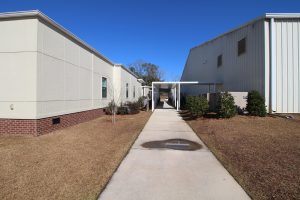
Luke 4:18 Fellowship in Mobile, AL needed additional space for their church fellowship hall. Two Rose modular buildings connected by covered awnings created more space
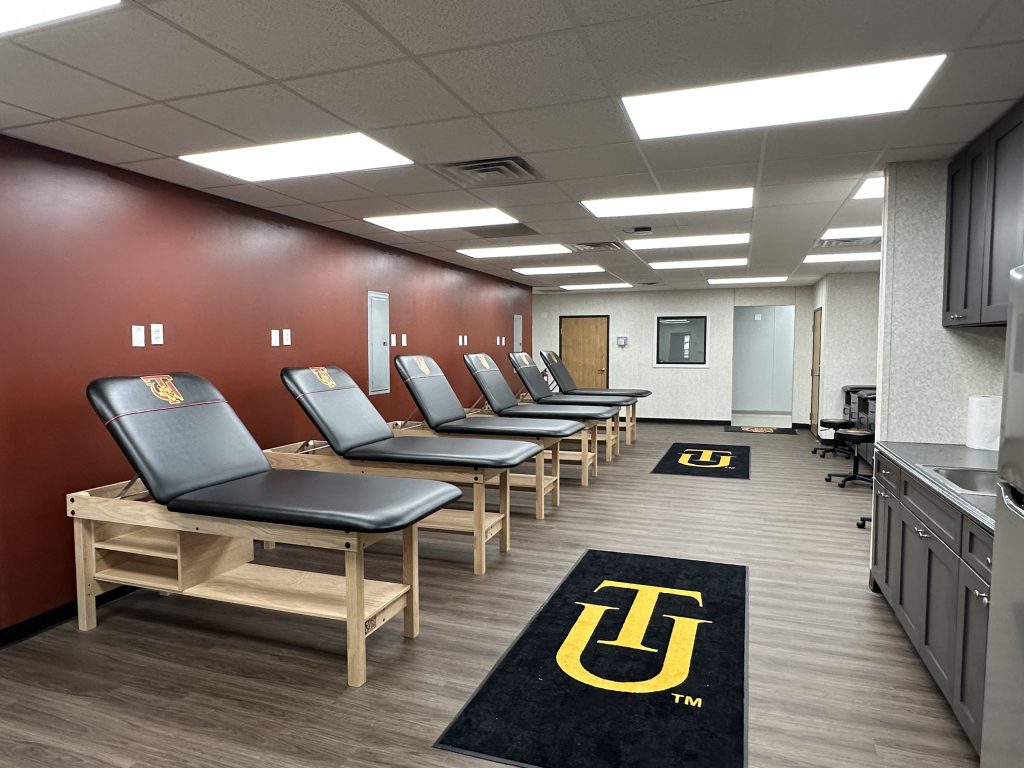
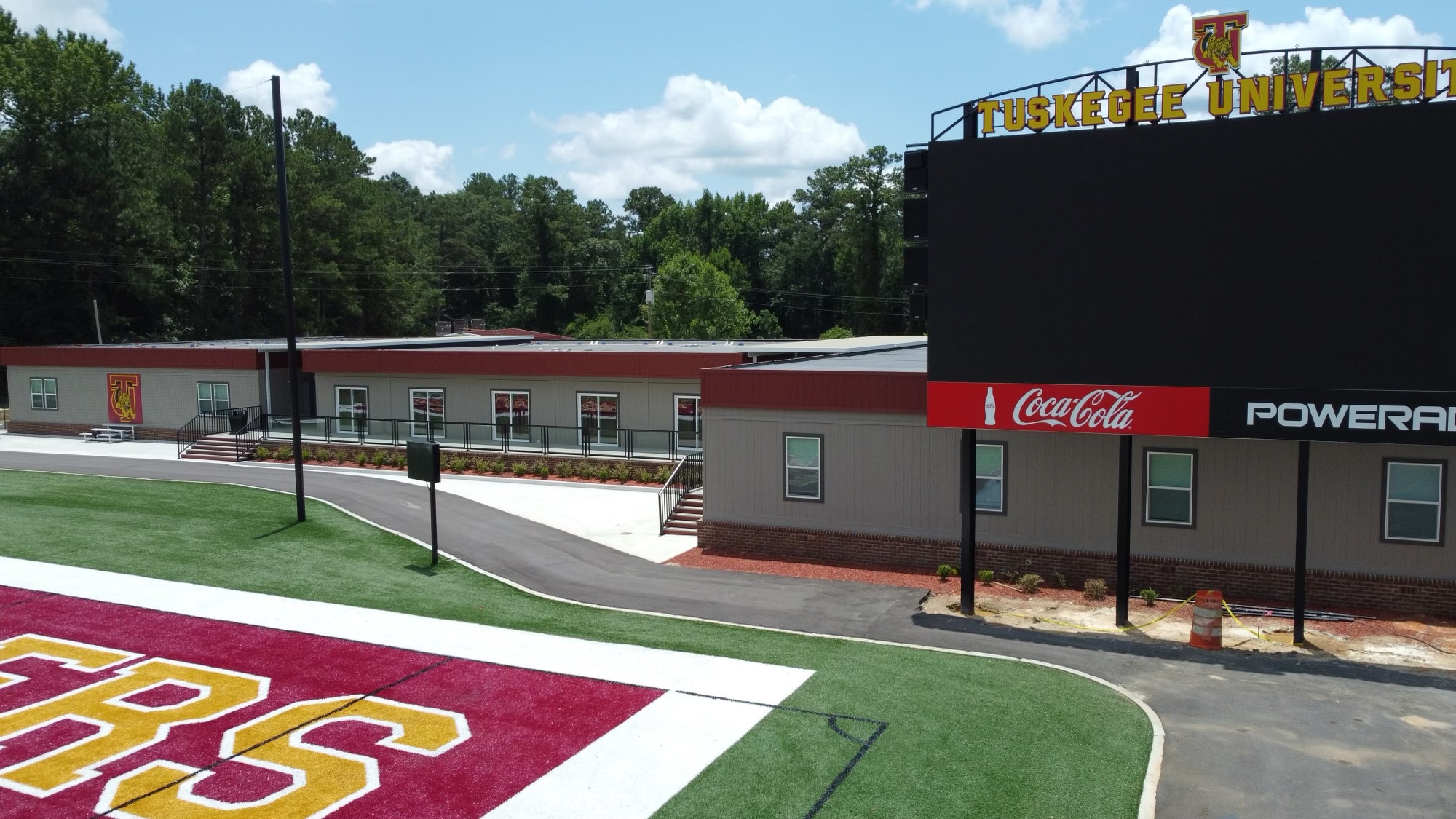
Featured Gallery: Tuskegee University Football Facility
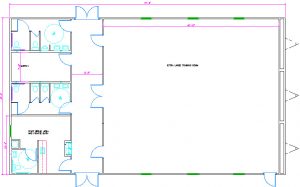
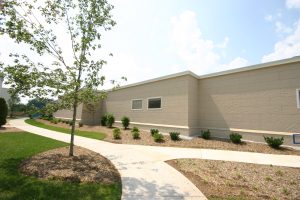
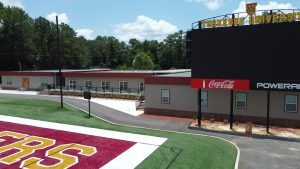
Year Built: 2022 Size: 15,000+ sq. ft. in three separate buildings. Rose Office Systems worked closely with AD Reginald Ruffin of Tuskegee University to build
Standard features & Building options
TYPICAL EXTERIORS
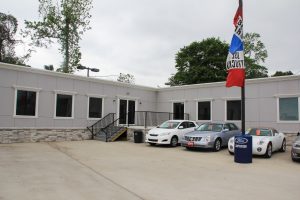
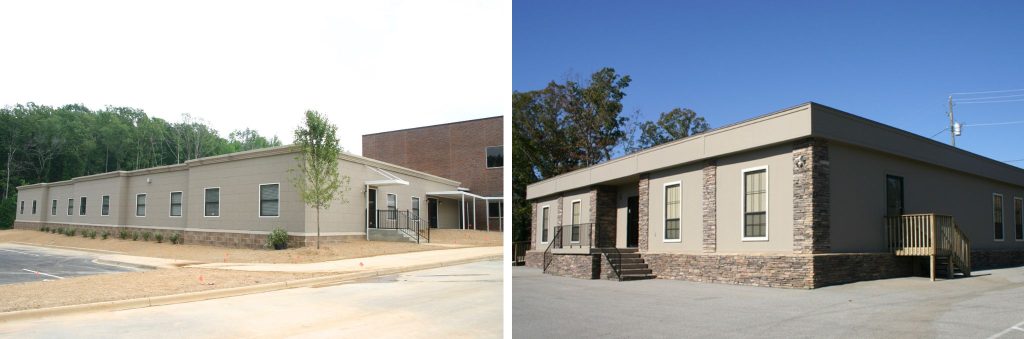
– Painted LP SmartSide exterior siding
– Faux rock skirting, window, door & corner trim
– Box Mansard roofline with gutters and downspouts
– 36×60 exterior windows
– Storefront glass entrance door
– Wall-mounted HVAC units at the end of each module
TYPICAL INTERIORS
– 2×2 acoustical ceiling tiles with LED lighting
– VCG (vinyl-covered gypsum) walls with preclad vinyl wall coverings
– Commercial grade heavy-duty roll vinyl flooring
– Factory-installed cabinetry and plumbing fixtures
OPTIONAL UPGRADES
Looking to upgrade? We offer painted walls, specialty flooring, and upgraded fixtures — just let our team know what you need and we’ll put together an estimate.
Rose also carries a range of furniture and equipment, including cubicles, desk chairs, break room furniture, and lockers, so we’re happy to quote furnishings as well.
modular Building timeline
1. Consultation
The initial consultation involves a phone call to discuss your project and gather information about your needs so we can decide how to best serve you. Who will be working in the building? What type of industry? Where will it be delivered? How much is your ballpark budget? When do you need space? What size/ square feet/ number of offices, etc.
2. Design
Once we know what your are looking ot build, our drafting team will work with you to develop a concept building floor plan. Some customers already have a sketch in mind, others need us to design a custom building to suit their needs. We will schedule an online meeting so your team can make changes in real-time to get exactly what you want. Once you are happy with the concept sketch, we send it to our factory to get a firm quote.
3. Contract
After you approve the final price and concept sketch, you’ll sign the contract and receive your scope of work. You’ll also choose the finishes (paint/flooring/wall coverings, etc) for your building. The factory will produce a set of stamped, engineered blue prints from the concept sketch, which you will sign off on. From there, the building will go into the production line at the factory.
4. Site Preparation
While the building is being built at the factory, your team will perform the items on your scope of work, including obtaining building permits, site preparation like clearing and grading the site, running utilities for electrical, water and sewer lines, and making sure the site is accessible for the delivery trucks. A few weeks before delivery, our team will be onsite to install foundation footers per the engineered drawings.
5. Delivery & Installation
Once your building is complete at the factory, it’s transported to your site and spotted into place. Our crew installs the modules, interconnects them per the engineered plans, trims out the matelines, and secures everything with tiedown systems and foundation blocking to code.
6. Final Touches
With the building set, we finish out the interior and any exterior trim that is needed. All projects vary, but examples would be painting, seaming the flooring, installing suspended ceiling tiles, etc. Once the final punch list is complete and you receive your Certificate of Occupancy from your local building inspectors, it’s ready for move-in.
Faqs about modular buildings for SCHOOLS
Costs vary by size and finish level, but factory-controlled construction typically reduces weather delays, material waste, and labor overruns, helping your building fund go further. Contact Rose Office Systems for a project-specific estimate.
Because modules are built off-site while site work happens in parallel, most school and university projects move from design to move-in far faster than traditional construction — often in time to meet a specific academic-year deadline.
Modular buildings can serve either purpose. They’re commonly used for temporary enrollment overflow, but they’re also built for long-term, permanent use as classrooms, offices, or campus facilities.
Yes. Modular buildings can be added onto later, or relocated, making them a good fit for school districts and universities planning phased campus growth.
Classrooms, labs, administrative offices, libraries, cafeterias, student housing, athletic facilities, and welcome centers can all be built as modular structures.
The biggest delays are usually site-readiness issues, not factory speed. Before your building even ships:
- Decision-making — multiple changes to your plan or finishes after signing will push your delivery date back
- Permitting — local building permits are frequent bottlenecks; delays on permitting could stall the whole project
- Utility & Site Prep — if your electrical panels, and water/sewer lines aren’t ready when the building arrives, your modular building sits idle waiting on you
Bottom line: Start site work the day you sign the contract. Don’t wait for the building to show up to break ground.
Yes, Rose offers lease-to-own and rental modular buildings. Here’s the typical structure:
Rental (month-to-month; 36-month minimum contract):
- Pay monthly rental to Rose
- Commit to the minimum contract with option to renew.
- No purchase commitment; you can return the building after your contract ends
- Other one time charges to consider- site prep, delivery, setup and utility connections, tear-down and removal at the end of contract.
- You pay all utilities.
Lease-to-own (36–60 month term):
- Fixed monthly payment that’s slightly lower than month-to-month
- At the end of the term, you own the building outright
Why rent?
- No capital expenditure — keeps it off your balance sheet
- Fast deployment (same timeline as purchase)
- No long-term commitment if the contract ends or demand drops
- Predictable monthly budget
Why buy?
- You own an asset after ~5–7 years
- Monthly cost is higher initially, but no ownership cost once paid off
- You can keep it indefinitely or sell/relocate it
Talk to Rose’s team about which makes sense for your situation.
Very little. Most of the building process happens off-site, so students and staff can continue classes normally while the building comes together, with the goal of delivering ready-to-use space between semesters or academic years.
where does rose deliver?
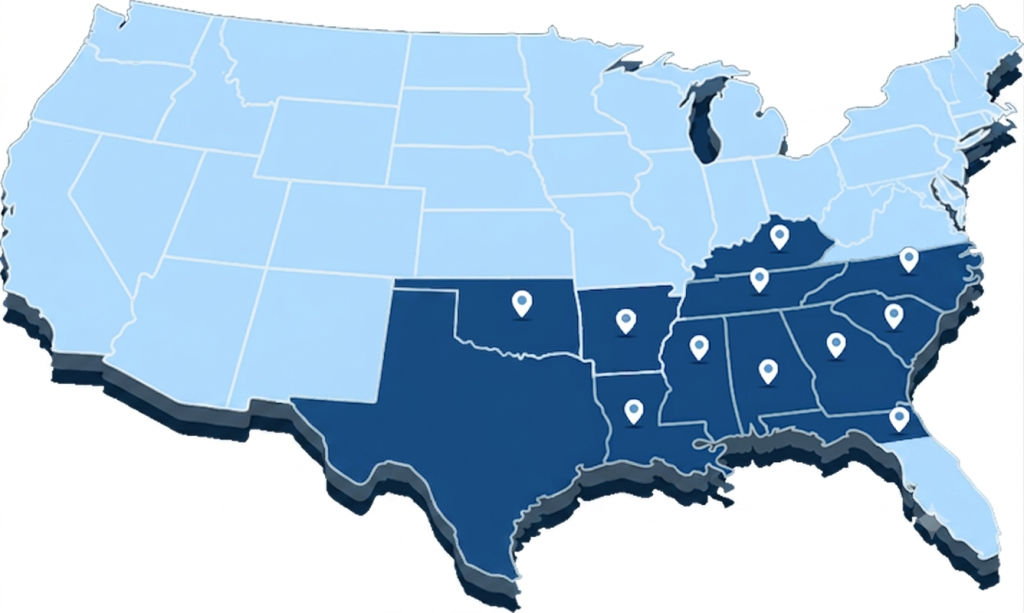
Rose modular buildings can be delivered to these states in the Southeastern USA. Other areas may be included on a case-by-case basis.
Alabama
Arkansas
Florida Panhandle
Georgia
Kentucky
Louisiana
Mississippi
North Carolina
Oklahoma
South Carolina
Tennessee
Texas